API Forged Steel Flange Check Valve: Exceptional Performance under High Pressure

When it comes to critical industrial processes, ensuring the reliable flow of fluids is paramount. API forged steel flange check valves provide a robust and dependable solution for applications involving substantial pressures. These valves are meticulously engineered to withstand demanding conditions while preventing backflow. Constructed from high-grade forged steel, they boast exceptional toughness, ensuring longevity and consistent performance even under rigorous operating environments.
API forged steel flange check valves are widely used in a range of industries, including oil and gas. Their ability to withstand high pressures and temperatures makes them ideal for applications such as pipelines. By preventing backflow, these valves protect critical systems from damage and ensure the smooth operation of industrial processes.
America Standard Swing Check Valve
Ensuring reliable flow control in your piping systems is critical for optimal performance. America Standard Swing Check Valves, renowned for their durability and efficiency, are a top choice for this task. These valves utilize a swinging disc mechanism to prevent undesirable flow. When fluid is flowing in the intended direction, the disc remains open, allowing for smooth passage. However, when the flow reverses, the disc rapidly closes, effectively stopping backflow and protecting your system.
- Formed from robust materials like brass, these valves are designed to withstand high pressure applications.
- Found in a wide range of sizes, they can accommodate various piping configurations.
- Simple to mount, these valves require minimal maintenance and offer years of reliable service.
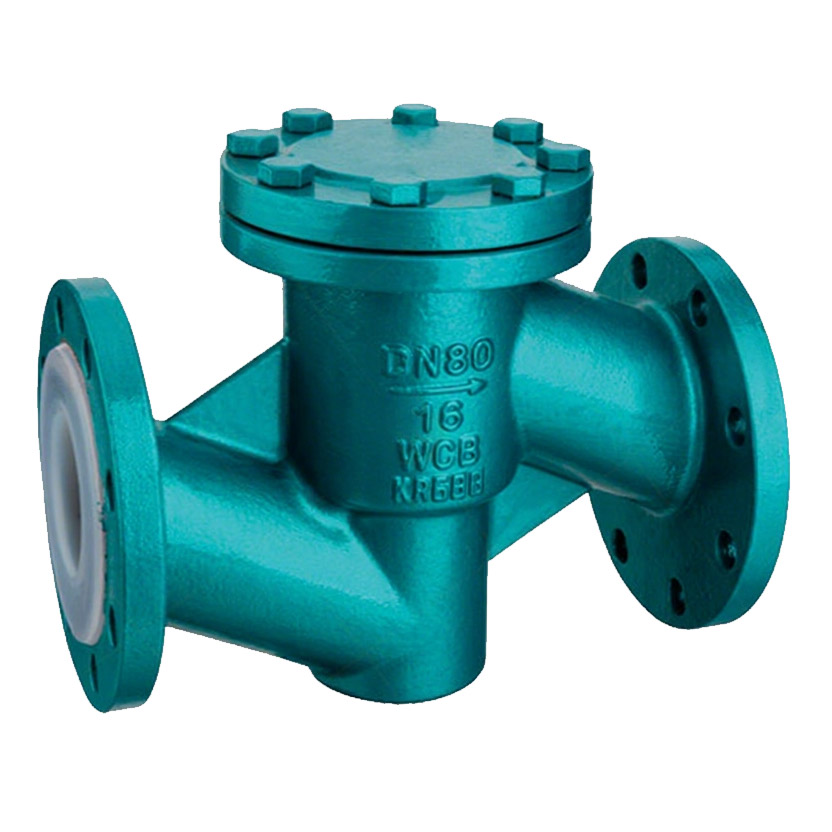
Lift Lined Fluorine Check Valve: Enhanced Corrosion Resistance for Harsh Environments
In demanding industrial settings, where corrosive agents are commonplace, maintaining equipment integrity is paramount. Lift lined fluorine check valves emerge as a robust solution to mitigate corrosion damage in these harsh environments. Constructed with a robust inner lining of fluorine-based material, these valves provide exceptional resistance against a wide spectrum of liquids. The valve's design effectively prevents the reverse flow of fluids, ensuring unidirectional flow and system integrity.
Additionally, lift lined fluorine check valves are known for their long service span and low maintenance requirements. This makes them an ideal choice for applications where downtime is minimized and operational efficiency is critical.
Micro-blocking and Closing Check Valve for Critical Systems
In the demanding realm of critical systems, swift and accurate valve control holds significant importance. Micro-blocking and closing check valves emerge as an innovative approach to achieve this precision. By leveraging sophisticated algorithms, these valves provide rapid and reliable closure, minimizing the risk of system failure. This design element finds applications in diverse sectors such as industrial automation, where the integrity and efficiency of the system are paramount.
The inherent design of micro-blocking valves facilitates precise control over fluid flow. Closing check valves, on the other hand, maintain a specific directionality, safeguarding against system damage.
Together, these valve types offer enhanced performance for critical systems, ensuring smooth functionality and minimizing potential hazards.
Forged Steel Check Valve: Selecting the Right One for Your Needs
When designing fluid handling systems, selecting the appropriate check valve is crucial for ensuring proper flow direction and preventing backflow. Steel forged check valves are known for their robust construction and ability to withstand high pressures and temperatures. This comprehensive guide delves into the key factors to consider when choosing a forged steel check valve, covering aspects such as valve type, pressure rating, temperature range, and material specifications. We'll also explore common applications where forged steel check valves are essential components.
Understanding the working of a forged steel check valve is paramount to its effective integration into your system. These valves utilize a poppet mechanism that automatically opens to allow fluid flow in one direction and closes to prevent backflow when the pressure reverses.
- Choosing the right valve type depends on the specific application requirements, such as the flow rate, pressure differential, and operating temperature.
- Categories of forged steel check valves include wafer, lug, flanged, and threaded designs, each offering distinct installation methods and suitability for various pipe sizes and configurations.
- Maximal pressure limits are crucial considerations, ensuring the valve can handle the anticipated fluid system pressures without failure or leakage.
Operating temperatures also play a significant role in material selection, as forged steel check valves must withstand the thermal stresses imposed by the application.
API Compliance in Check Valve Development and Manufacturing
Ensuring adherence with API specifications is paramount throughout the design and manufacturing process for check valves. These standards specify stringent criteria for materials, construction, performance, and testing to guarantee the reliability and safety of these critical components in various sectors. Manufacturers must integrate robust quality control measures and procedures to ensure that each check valve meets API specifications precisely.
- Adherence with API standards improves the safety and reliability of check valves, reducing the risk of malfunctions.
- Stringent testing procedures are essential to confirm that check valves function as expected under varying operating circumstances.
- Manufacturers must periodically review their processes and procedures to adhere with the current API standards.
Understanding Swing, Lift, and Ball Check Valve Mechanisms
A check valve serves a crucial critical role in piping systems by ensuring unidirectional flow. There are various types of check valves, each functioning on different principles. Among the most common are swing, lift, and ball check valves. Swing check valves utilize a pivoting plate that swings freely with the flow direction, automatically closing when flow reverses.
Lift check valves possess a element that raises to allow flow in one direction and falls to seal the valve during reverse flow. Ball check valves, as the name suggests, utilize a round ball that rotates within the valve body to control flow direction.
Grasping the mechanisms of these different check valves is fundamental for selecting the appropriate type for a given application, ensuring efficient and reliable system performance.
Forged Steel API Check Valves
Performance characteristics of check valves with forged steel flanges from API are paramount in ensuring reliable and efficient fluid flow control within industrial applications. These valves exhibit exceptional strength, durability, and resistance to corrosion due to their construction from high-quality forged steel complying with relevant codes. The bolted flange connection facilitates seamless integration into piping systems, while the {positive shutoff mechanism|reliable sealing action ensures unidirectional flow and prevents backflow. These valves are available in a wide variety of sizes, pressure ratings, and operating temperatures to meet diverse industrial requirements.
The Importance of Material Selection for Check Valve Applications
When selecting materials for check valves, engineers must meticulously evaluate various factors to ensure optimal performance and longevity. The valve's intended application, including medium handled, operating temperature, and pressure specifications are all crucial determinants in material choice. Furthermore, corrosion resistance, robustness, and compatibility with downstream systems must be thoroughly assessed. A properly selected material will not only provide reliable valve function but also minimize maintenance requirements and extend the overall lifespan of the system.
- Popular check valve materials include stainless steel, bronze, cast iron, and plastic polymers. Each material offers distinct advantages based on its inherent properties and resistance to specific environmental factors.
- Proper material selection is paramount for achieving optimal functionality in check valve applications.
Fluorine-Lined Check Valves: Optimizing Performance in Chemical Processing
In the demanding realm of chemical processing, where corrosive substances and extreme operating environments are commonplace, selecting the right equipment is paramount. Fluorine-lined check valves emerge as a crucial component, manufactured to withstand the rigors of these challenging environments and ensure seamless flow control. These valves employ a fluorine-based lining material that provides exceptional resistance to corrosion, abrasion, and chemical attack, thereby extending valve life and maintaining operational integrity.
The incorporation of fluorine into check valve construction offers a range of benefits. Fluorine's inherent chemical inertness makes it ideally suited for handling a wide spectrum of corrosive chemicals, including acids, bases, and solvents. This resistance to degradation ensures the valve remains functional and reliable even in the face of prolonged exposure to harsh substances.
Additionally, fluorine linings exhibit excellent temperature stability, withstanding both high and low temperatures. This allows for their use in diverse processing applications, from cryogenic operations to high-heat processes. The smooth surface of fluorine linings also minimizes friction, reducing pressure drop and enhancing overall system efficiency.
Check Valve Maintenance and Troubleshooting Tips
Lift Lined Fluorine Check ValveRegular maintenance of your check valves is crucial for ensuring their efficient functioning. Over time, these valves can accumulate debris or deteriorate, leading to leaks or operational problems.
Consider these guidelines for keeping your check valves in top working order:
* Regularly copyrightine the valve for any signs of corrosion, such as scratches, gouges, or seepage.
* Remove debris from the valve regularly using a specialized cleaning tool.
* Test the valve's functionality by applying a force in both directions to ensure it only allows fluid movement in one direction.
If you observe any malfunction, don't hesitate to seek expert assistance for restoring functionality.
Remember, regular upkeep is the best way to extend operational life.